
FEP (fluorinated ethylene propylene) is a melt-processable fluoropolymer with continuous service to 400°F, exceptional chemical resistance, low coefficient of friction, and optical transparency. Fluoron has applied FEP material to industrial rollers since 1990. This page covers FEP properties, how FEP compares to PTFE and PFA, common applications, and answers to the most-asked questions about FEP material.
On this page
- What is FEP material?
- FEP material properties
- FEP chemical resistance
- FEP vs PTFE vs PFA
- FEP material applications
- How FEP material is processed
- Common FEP material questions
- How Fluoron uses FEP material
What is FEP material?
FEP stands for fluorinated ethylene propylene — a copolymer of tetrafluoroethylene (TFE) and hexafluoropropylene (HFP). It was developed by DuPont in the 1960s as a melt-processable alternative to PTFE (Teflon), retaining most of PTFE’s chemical and thermal performance while becoming melt-extrudable like a conventional thermoplastic.
FEP fills the gap between PTFE (highest performance, no melt processing) and conventional engineering plastics (easy to process, far lower performance). For most industrial roller applications, FEP is the workhorse fluoropolymer.
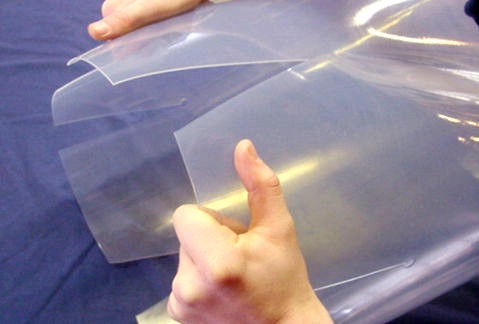
FEP material properties
| Property | Value | Test method |
|---|---|---|
| Continuous service temperature | 400°F (200°C) | — |
| Melting point | 500–520°F (260–270°C) | ASTM D3418 |
| Density | 2.12–2.17 g/cm³ | ASTM D792 |
| Tensile strength | 2,800–3,500 psi | ASTM D638 |
| Elongation at break | 300–400% | ASTM D638 |
| Coefficient of friction (static) | 0.08–0.15 | ASTM D1894 |
| Dielectric constant (1 MHz) | 2.1 | ASTM D150 |
| Dielectric strength (8 mil sheet) | 2,100 V/mil | ASTM D149 |
| Volume resistivity | >10¹⁸ ohm-cm | ASTM D257 |
| Water absorption (24 hr) | <0.01% | ASTM D570 |
| FDA compliance | 21 CFR 177.1550 | — |
| USP Class VI | Yes, for medical applications | USP <88> |
FEP chemical resistance
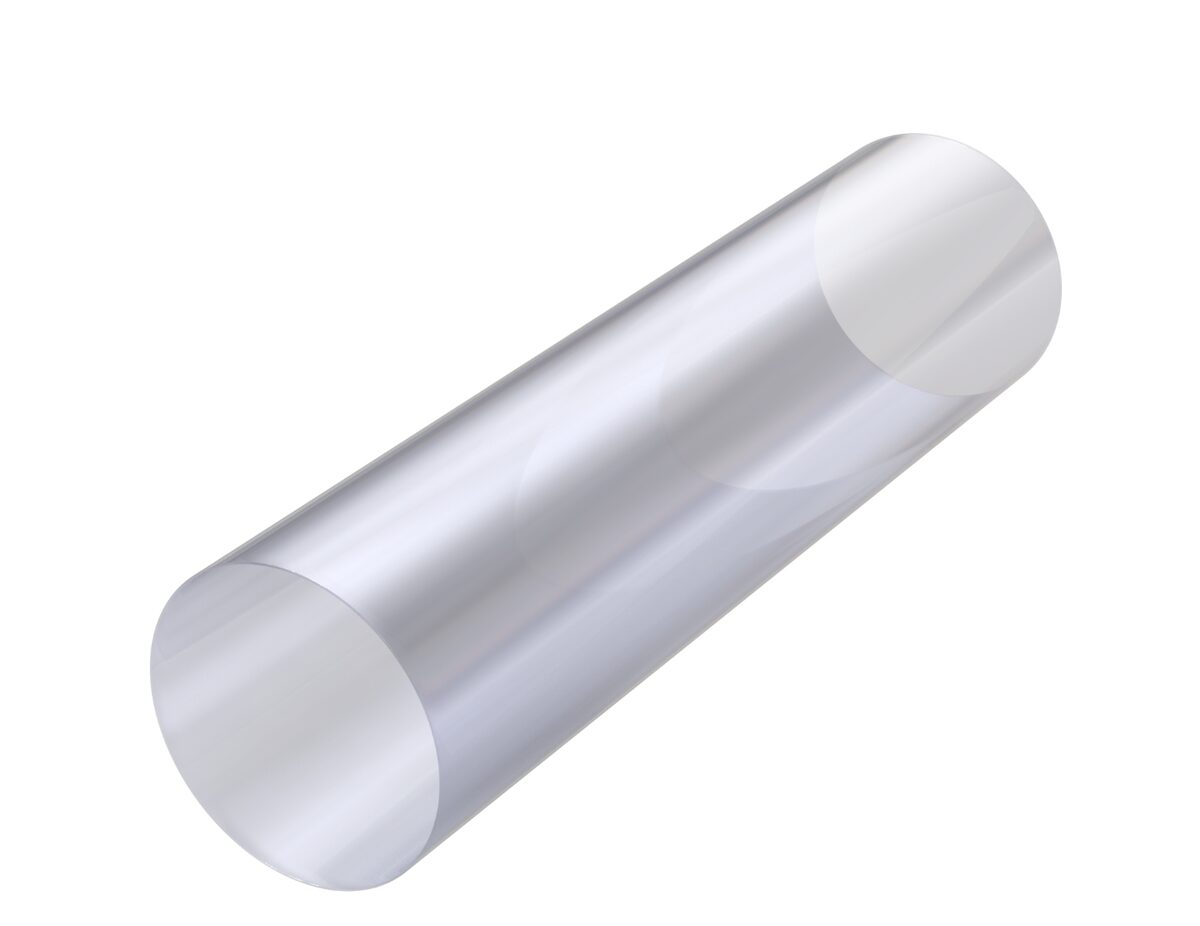
FEP is one of the most chemically inert engineering materials available. It resists virtually all industrial chemicals at continuous service temperature:
- Strong acids — sulfuric, hydrochloric, nitric, hydrofluoric, phosphoric
- Strong bases — sodium hydroxide, potassium hydroxide
- Organic solvents — ketones, esters, alcohols, hydrocarbons
- Oxidizers — chlorine, bromine, hypochlorites, peroxides
- Adhesives and tackifiers — PSA, hot-melt, contact cements
FEP is attacked by only a small set of exotic chemistries: molten alkali metals, fluorine gas at elevated temperatures, and a few halogenated complexes. For practical purposes, if your process uses commercially available industrial chemicals, FEP will be compatible.
FEP vs PTFE vs PFA
| Property | FEP | PTFE | PFA |
|---|---|---|---|
| Continuous service temp | 400°F | 500°F | 500°F |
| Coefficient of friction | 0.08–0.15 | 0.04–0.10 | 0.05–0.12 |
| Optical transparency | Yes (translucent) | No (opaque white) | Translucent |
| Melt processable | Yes | No (sintered only) | Yes |
| Relative material cost | 1.0× baseline | 0.7× | 1.5–2.0× |
| Best for | General industrial rolls, transparency, FDA service | Highest temperature, lowest friction, sintered parts | Semiconductor, high purity, aggressive solvents |
For a more detailed comparison, see our FEP vs PFA vs PTFE guide.
FEP material applications
- Industrial roll covers — heat-shrink FEP sleeves on printing, paper, converting, and packaging rolls. See heat-shrink fluoropolymer roll covers.
- Wire and cable insulation — high-temperature for aerospace, semiconductor, chemical processing
- Chemical-resistant tubing — analytical instruments, semiconductor wet etch, pharmaceutical processing
- Heat shrink jacketing — sensors, probes exposed to aggressive chemistry — see FEP heat shrink jacket for flight systems
- Solar panel encapsulation — transparent FEP front sheets for 25+ year UV stability
- Aerospace — RF and IR transparent radomes and EO/IR sensor windows — see RF/IR transparent PTFE and FEP
How FEP material is processed
Unlike PTFE, FEP can be processed using standard thermoplastic methods:
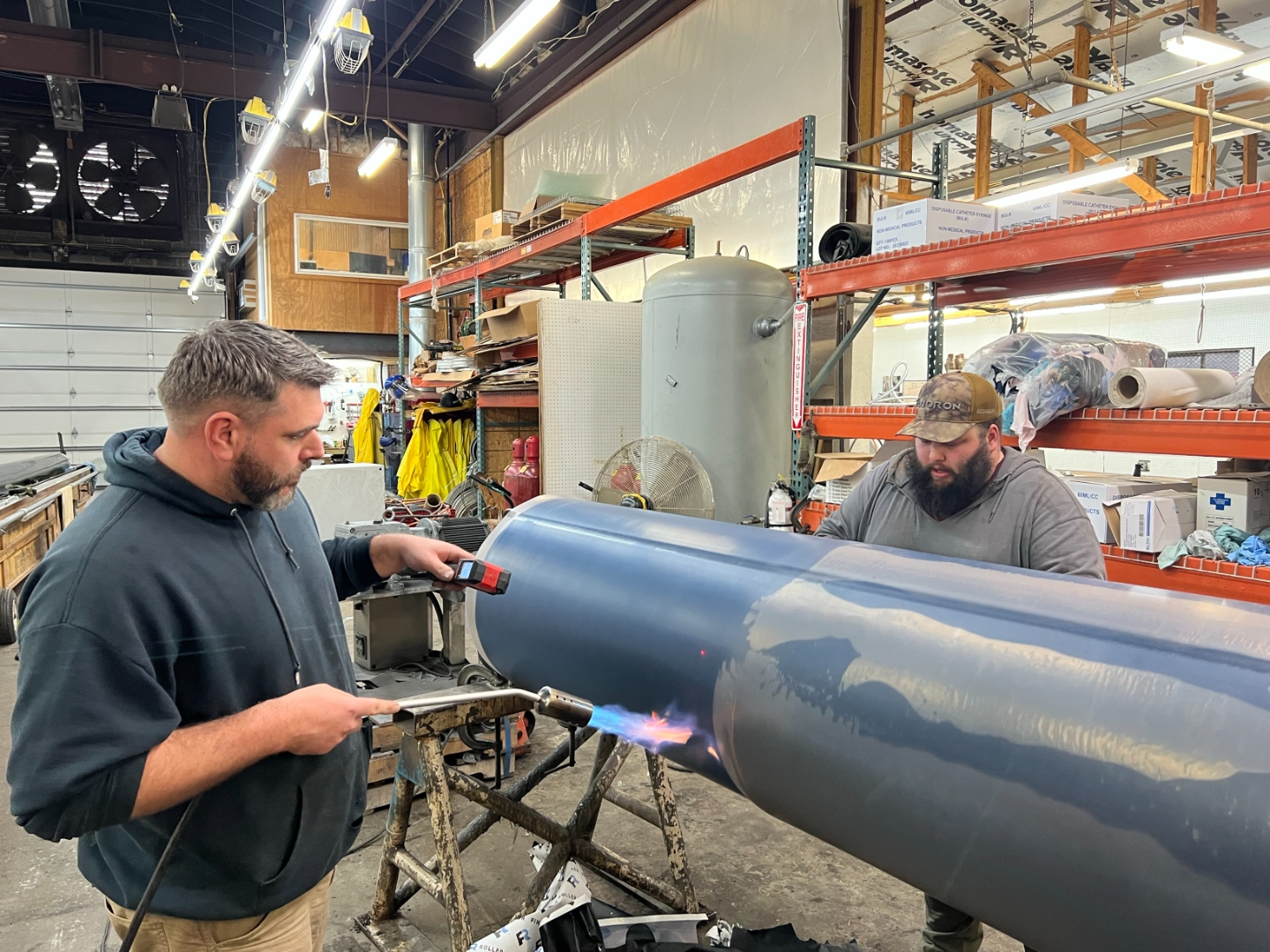
- Extrusion — FEP is extruded into rod, sheet, film, tubing, and heat-shrink sleeves. Roll covers start as extruded heat-shrink tubing sized 5–15% oversize, then shrunk to fit the roll core when heated.
- Injection molding — FEP can be injection molded for complex parts, though specialized equipment and tooling are required.
- Compression molding — used for larger thick sections.
- Heat welding — FEP can be heat-welded seam-to-seam, important for tank liners and large vessel linings.
Common FEP material questions
What does FEP stand for?
FEP stands for fluorinated ethylene propylene. It is a copolymer of tetrafluoroethylene and hexafluoropropylene.
What is the melting point of FEP?
FEP melts at 500 to 520 degrees Fahrenheit (260 to 270 degrees Celsius), measured per ASTM D3418. Continuous service temperature is 400 degrees Fahrenheit — significantly below the melt point to maintain mechanical integrity.
Is FEP FDA approved?
Yes. FEP material complies with FDA 21 CFR 177.1550 for food contact applications. Medical-grade FEP also meets USP Class VI requirements for implantable and contact applications.
Is FEP material toxic?
FEP is inert at normal service temperatures and is FDA approved for food contact. At temperatures above approximately 660°F (350°C), FEP begins to thermally decompose and releases hazardous fumes. This is well above any normal processing or service temperature and is mitigated by proper application equipment with fume capture.
What is the dielectric strength of FEP?
FEP dielectric strength is approximately 2,100 volts per mil at 8-mil sheet thickness, measured per ASTM D149. Volume resistivity is greater than 10^18 ohm-cm, making FEP one of the highest-performing insulating polymers available.
Is FEP biodegradable?
No. FEP does not biodegrade in normal environmental conditions. This is a feature for industrial service life (25+ years in many applications) but a consideration for end-of-life disposal. FEP can be mechanically recycled.
How Fluoron uses FEP material
Fluoron has applied FEP material to industrial rollers since 1990. We use FEP heat-shrink technology to manufacture custom-fit roll covers that slip over your existing roller and shrink to a tight, smooth, non-stick finish. The result is a roller surface that resists adhesive buildup, particle pickup, and chemical attack — without replacing the roller core.
- FEP heat-shrink roll covers — our standard FEP product family (Fluoro-Clear)
- FEP FluoroClear — optically transparent FEP for visual process monitoring
- Heat-shrink fluoropolymer roll covers — full FEP, PFA, PTFE overview
- Spec your application — tell us your roller dimensions and service environment, we will recommend FEP or another fluoropolymer