
Technical guide
How to stop stickies on paper machine rolls
By Matt Lippmann. Adapted from his TAPPICon 2021 paper, “Getting Out of a Sticky Situation: Novel Solutions for Eliminating Stickies on Process Equipment.”
Short answer: stickies hold on to rolls because glue wets out and grips a high-energy, porous surface. Cover the roll with a low-surface-energy fluoropolymer sleeve and the glue beads up and lets go. Use FEP for low-wear rolls, PFA for rubber nips, and PTFE for felt rolls. In dry sections, use carbon-filled conductive PTFE so the cover doesn’t build static.
Why stickies cost so much
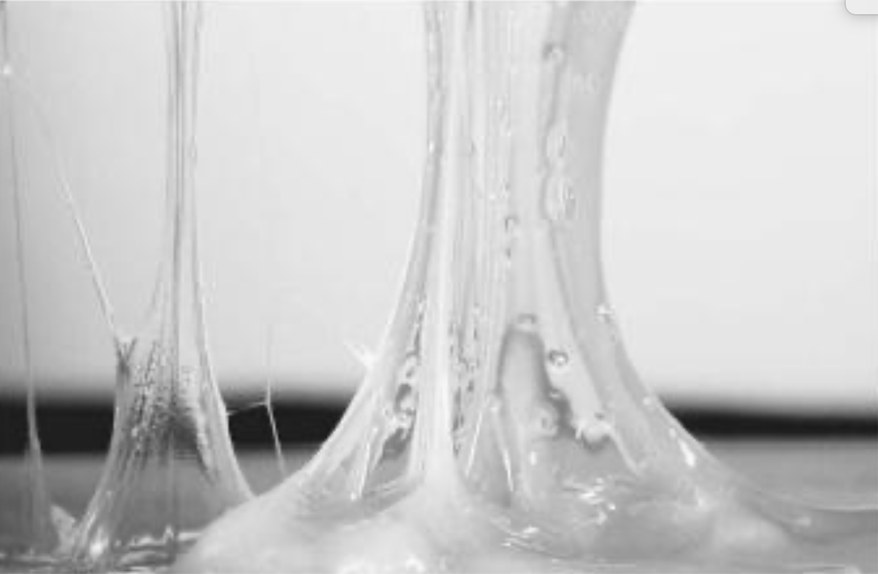
If you work in operations, maintenance or technical service in a paper mill, you’ve fought buildup on process rolls. Stickies lead to product defects, lower throughput, more downtime and a lot of cleaning. The good news is that heat shrink fluoropolymer sleeves can stop the buildup before it starts. The catch is that the right sleeve depends on your process chemistry, operating conditions, the roll and how easy it is to get to.
How glue actually sticks to a roll
A common belief is that glues and gums chemically bond to our equipment. For most process contaminants, they don’t. Instead, two things hold them on:
- Van der Waals forces. Millions of tiny electrostatic attractions between glue molecules and surface molecules, acting like tiny magnets.
- Mechanical locking. On a porous surface, glue seeps into the pores and locks in, the way ice locks into an ice cube tray.
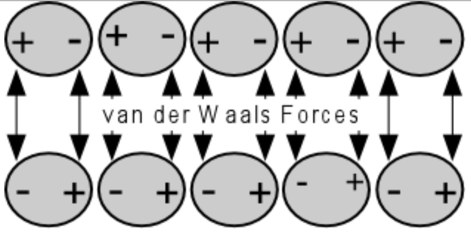
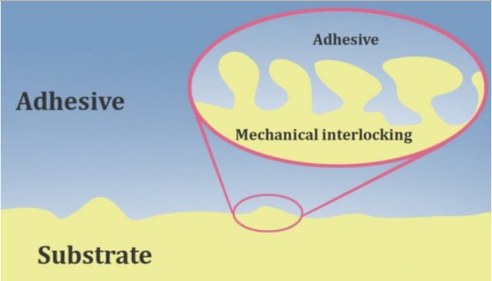
Both need one thing first: the glue has to wet out and cover the surface. The more area it covers, the harder those bonds are to break.
Wetting: the car hood test
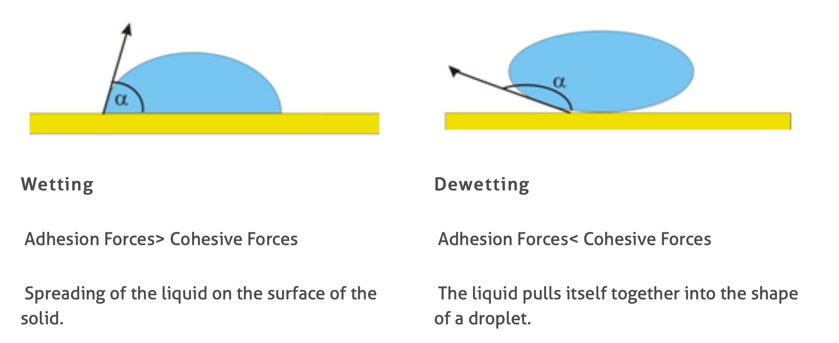
Whether glue wets out comes down to two forces. Cohesive forces pull the glue together into the smallest shape it can make. Adhesive forces pull it flat onto the surface. Picture water on a car hood. On a waxed hood, the water holds itself together better than it holds the wax, so it beads up. On bare paint, the water is pulled to the paint more than to itself, so it spreads out.
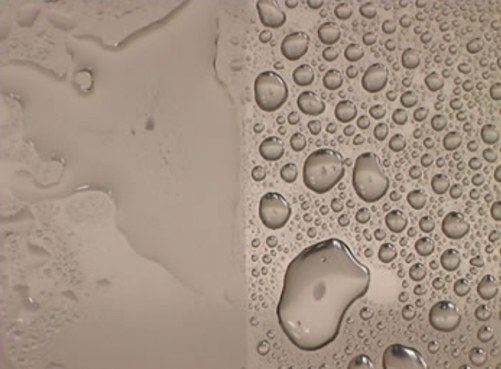
Surface energy is the real lever
Why does wax behave differently from paint? Surface energy. Molecules at a surface don’t have neighbors on every side, so they’re “unhappy” and grab on to whatever touches them. Some materials have far fewer of these unhappy molecules than others. Fluoropolymers like PTFE have the lowest surface energy of any material, which is why they’re the go-to for non-stick roll covers.
| Material | Critical surface tension (dyne/cm) |
|---|---|
| Copper | ~1000 |
| Aluminum | ~500 |
| Glass | 290 |
| Acetal | 47 |
| Polyamide (nylon) | 46 |
| Polycarbonate | 46 |
| PET | 43 |
| Cured epoxy | 43 |
| Polyimide | 40 |
| PVC | 39 |
| Polystyrene | 33 |
| Polyethylene | 31 |
| Silicone | 21 |
| PTFE | 18 |
Sprayed coating or heat shrink sleeve?
FEP, PFA and PTFE (Teflon™ is the Chemours trade name, originally DuPont’s) show up everywhere from paper machines to cookware. Because they’re non-stick, the hard part is getting them to stay on the roll.
- Sprayed PTFE coating: uses an acid primer to etch metal and needs a cure above 750°F. Metal rolls only. Our sister company AEGIS Advanced handles coatings.
- Heat shrink sleeve: a fully cured fluoropolymer tube, pre-expanded to your roll size, shipped to site and shrunk on with a torch or heat gun. Works on metal or rubber with no oven. For high-friction or high-compression positions, we etch the inside so an adhesive can lock the sleeve against slipping or twisting.
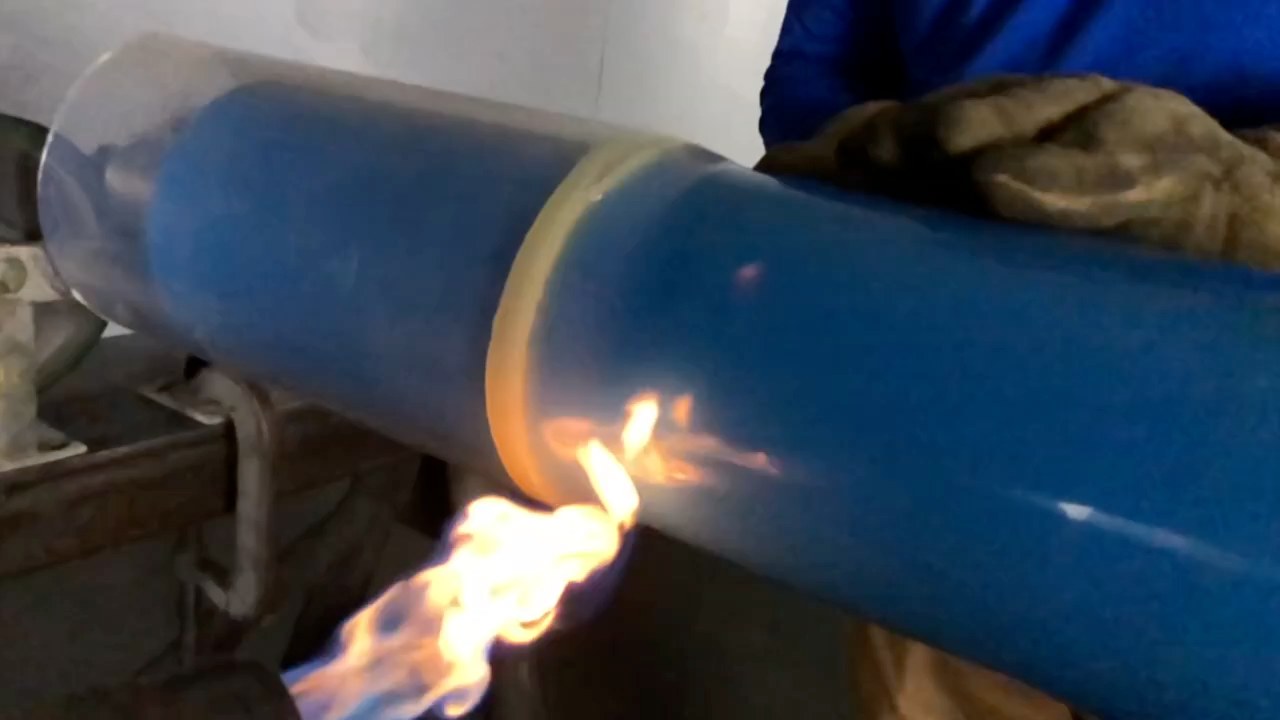
Picking the right sleeve: FEP, PFA or PTFE
All three have about the same low surface energy. What changes is how they handle wear, heat and flexing.
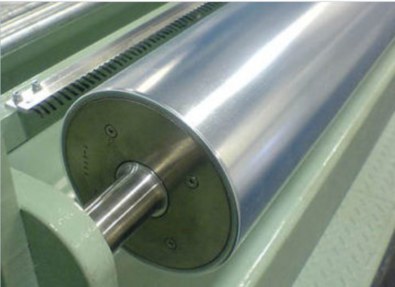
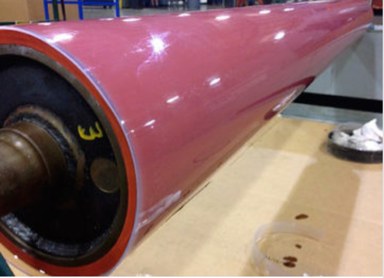
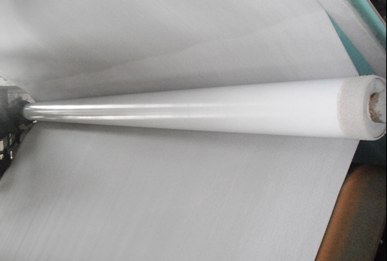
Mass lost after 42 hours of abrasion testing (lower is better)
At 25°C
At 110°C
A sleeve can save a damaged roll
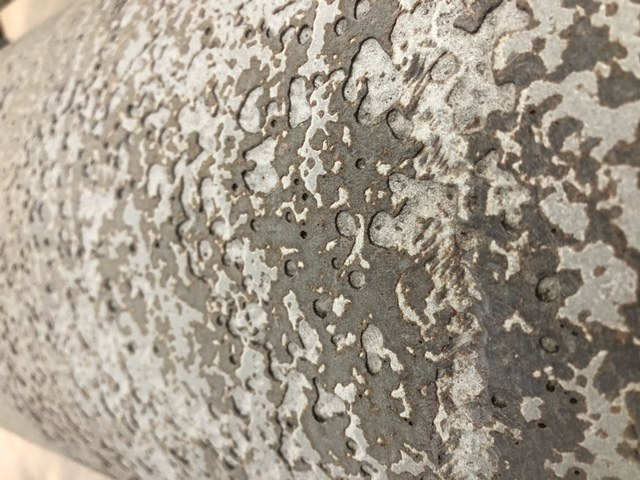
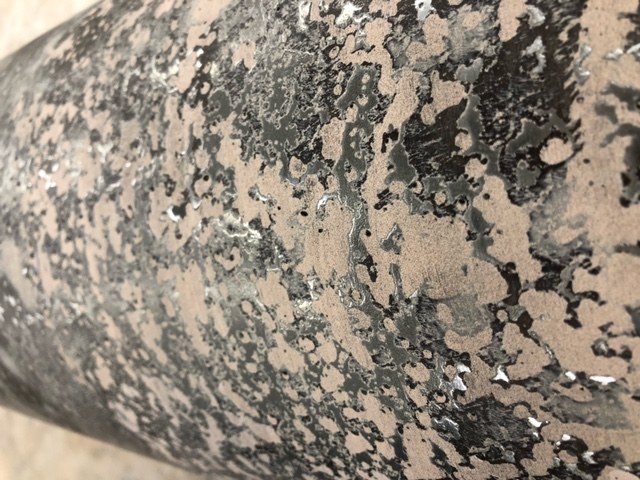
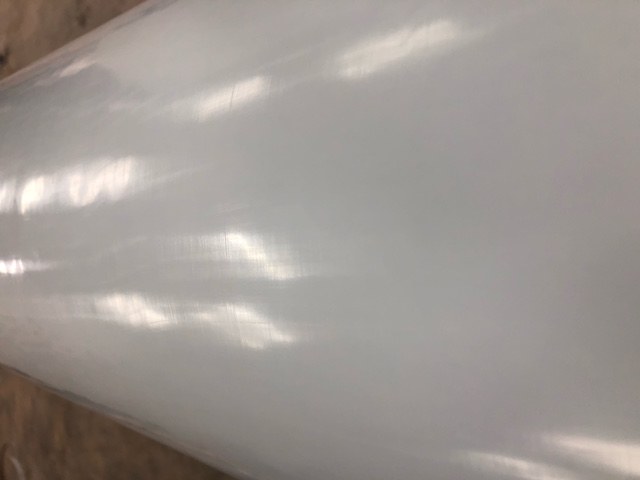
PTFE sleeves can also repair and protect rolls that are already pitted or corroded. The sleeve goes over the damaged face, gives you a smooth non-stick surface again and shields the roll from further chemical attack.
The static problem with fluoropolymer covers
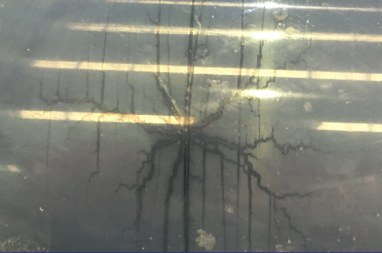
Fluoropolymer covers fix the stickies, but in dry sections they can create a new problem: static. The triboelectric series ranks how readily materials give up or pick up electrons. The further apart two materials sit, the more charge builds when they rub. Paper and other nonwovens give up electrons; rubber and fluoropolymers pick them up. Run one over the other again and again and the roll charges up.
Give up electrons (charge +)
Hair, glass, wool, silk, paper, wood
Pick up electrons (charge −)
Rubber, polystyrene, acrylic, polyethylene, PTFE
A conductor can be drained just by grounding it. An insulator can’t, because the electrons don’t move through it. The charge sits on the surface until it finds somewhere to jump, and then it arcs. Here’s what that does to an FEP sleeve in a dry position:
The fix: carbon-filled conductive PTFE
We solved this with carbon. In graphite, some electrons are loosely held and free to carry current. Add carbon to a fluoropolymer and, at first, nothing much happens. But over a narrow range of loading, conductivity jumps sharply. Adding more after that changes little. That narrow range is the percolation threshold. Our carbon-filled PTFE covers are built to sit past it, so the cover conducts, the charge drains and there’s nothing left to arc.
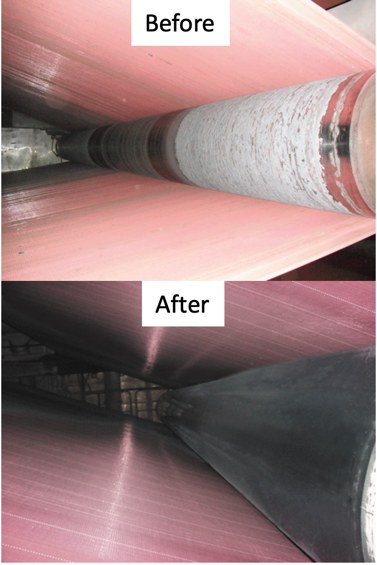
See Fluoro-Stat conductive PTFE roll covers · Compare FEP, PFA and PTFE
The bottom line
If you run a machine, you know what buildup costs in quality, cleaning and utilities. Fluoropolymer roll covers have a long track record of stopping it before it starts. Knowing the differences between FEP, PFA and PTFE is the first step to trading off cost against performance and life, without picking up a static problem along the way.
Common questions
What are stickies on a paper machine?
Stickies are tacky contaminants, mostly glues, hot melts, waxes and coatings that come in with recycled fiber. They deposit on rolls, felts and wires, then cause holes, breaks and cleaning downtime.
Why do stickies stick to rolls?
Mostly not by chemical bonding. They hold on through van der Waals attraction and by locking into pores in the surface. Both need the glue to wet out, which depends on the roll surface energy.
What roll cover material is best for preventing stickies?
Fluoropolymers (FEP, PFA and PTFE) have the lowest surface energy of any material, so glue beads up instead of wetting out. Pick FEP for low-wear guide and conveyor rolls, PFA for rubber nip rolls under high compression, and PTFE for felt rolls and other high-wear positions.
Will a fluoropolymer sleeve cause static?
It can in dry sections, because paper and fluoropolymer sit at opposite ends of the triboelectric series. A carbon-filled conductive PTFE cover such as Fluoro-Stat 102 bleeds off the charge so it can’t build up and arc.
Do heat shrink sleeves work on rubber rolls?
Yes. Unlike sprayed PTFE coatings, which need metal and a cure over 750°F, a heat shrink sleeve goes over metal or rubber and is shrunk in place with a torch or heat gun.
Can a sleeve save a damaged roll?
Often, yes. A PTFE sleeve can go over a pitted or corroded roll face, giving it a new non-stick surface and protecting it from further chemical attack.
Fighting stickies on a roll?
Tell us the roll, the position and what’s building up. We’ll recommend the sleeve and quote it.
Reference: Adhesion & Sealant Council, The Science of Adhesion: Wetting.